

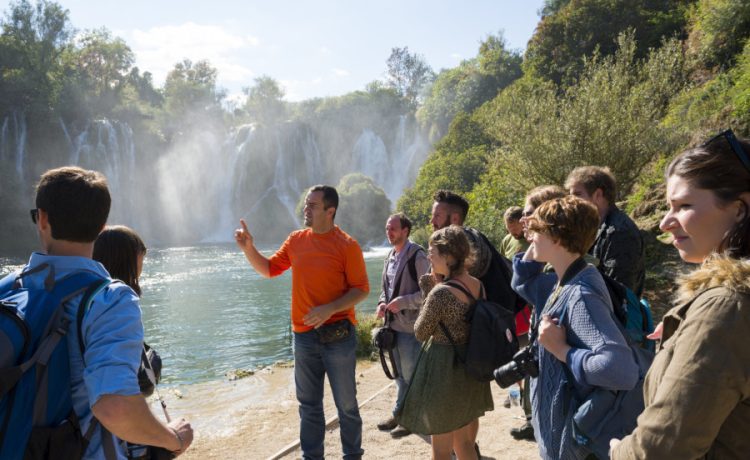
In an age where information is at our fingertips, it may seem that the role of a tour guide could be rendered obsolete by apps and virtual guides. Yet, the presence of a skilled, passionate tour guide remains an invaluable asset to travelers seeking a deeper, more meaningful connection with the places they visit. A great tour guide does more than simply provide facts; they weave a narrative that transforms a mere sightseeing trip into an enriching journey of discovery. In this article, we explore the essential qualities of an exceptional tour guide, the significant role they play in the travel experience, and why their expertise is irreplaceable in the age of digital convenience.
The Role of a Tour Guide: More Than Just Information
At its core, the job of a tour guide involves directing groups through a location, but the true value they provide goes much further. They are not just navigators of space; they are facilitators of experiences. The expertise of a guide turns the ordinary into the extraordinary, offering context, history, and insight that would otherwise be lost in the hustle of sightseeing.
1. The Knowledge Keeper
One of the primary responsibilities of a tour guide is to share knowledge. However, the value of that knowledge is not merely in its accumulation but in its ability to be conveyed in an engaging and accessible manner. A well-informed guide can transform a site into an experience by providing rich, often lesser-known historical details, cultural nuances, and local stories that are not typically found in guidebooks or online resources.
-
Historical Expertise: Whether it’s the story of a centuries-old monument or the history behind a bustling city square, a tour guide brings historical context to life. They might reveal the political or social dynamics that led to the construction of a landmark, offering insights that enrich the visitor’s understanding.
-
Cultural Insights: Beyond the surface-level knowledge of a place, a great tour guide offers a window into local traditions, customs, and ways of life. These insights give travelers a richer understanding of what they are experiencing, from the significance of a local festival to the importance of a dish in the national cuisine.
2. Engaging Storyteller
While a tour guide’s knowledge is paramount, how that knowledge is shared is equally important. A great guide knows how to make a story compelling, whether they’re narrating the history of an ancient site or sharing a local legend passed down through generations.
-
Relatable Narratives: A skilled tour guide tailors their storytelling to their audience, knowing how to adapt the delivery to suit the group’s interests and age range. For children, a guide might use humor or hands-on interaction; for history buffs, they may delve deep into facts and figures. This personal touch transforms a group tour into a more engaging, customized experience.
-
Bringing Places to Life: Rather than just telling a history lesson, a tour guide will often “bring the past to life,” using vivid imagery and compelling narratives that make the location feel as if it’s alive with the stories of its past.
3. Cultural Interpreter
In many ways, a tour guide serves as a cultural ambassador, helping visitors navigate the sometimes complex landscape of a new country, region, or city. Through their explanations and interactions, guides foster mutual understanding between travelers and locals.
-
Cultural Sensitivity: A great guide is acutely aware of cultural differences and will make sure their explanations respect the traditions and values of the destination. They might provide context for behavior that might seem unusual to tourists but is culturally significant to the locals.
-
Creating Connections: By explaining the local customs, traditions, and behaviors, tour guides create a bridge between travelers and the community they’re visiting. Whether it’s explaining how tipping works in a particular country or pointing out the subtle but important rituals of a religious ceremony, they offer travelers the keys to better navigate their environment.
The Qualities of an Exceptional Tour Guide
While the role of a tour guide may seem simple at first glance, it is one that requires a unique set of skills, qualities, and characteristics. Some of the most important qualities of an exceptional tour guide include:
1. Passion and Enthusiasm
The best tour guides exude a palpable passion for their subject matter. Whether it’s the architecture of their city, the flora and fauna of a national park, or the history of an ancient civilization, a great tour guide’s enthusiasm is infectious. Their love for what they do shines through in their storytelling and interactions with the group.
-
Energetic Delivery: An enthusiastic guide keeps the energy high, which is especially important during long tours or in challenging weather conditions. Their ability to maintain excitement and interest ensures the group remains engaged throughout the entire experience.
-
Genuine Passion: When a guide is truly passionate about their work, it feels genuine and not contrived. That authenticity creates a more enjoyable experience for everyone involved.
2. Strong Communication Skills
Communication is the backbone of any successful tour. A great guide is not only well-versed in their subject matter but also knows how to communicate that knowledge clearly and engagingly.
-
Clarity: Whether they’re sharing a complex historical fact or explaining directions, a guide must communicate in a way that is easily understood. This often requires distilling complex information into digestible, interesting chunks.
-
Active Listening: Exceptional guides are also active listeners. They listen attentively to the questions and concerns of their group, ensuring that everyone feels heard and valued.
3. Patience and Flexibility
Travel often comes with its share of delays, changes, and unforeseen challenges. A great tour guide remains calm and adaptable in the face of these challenges, ensuring that the group continues to have an enjoyable experience, regardless of any hiccups along the way.
-
Adapting to the Group’s Needs: Every group is different. Some may want to rush through a museum, while others want to linger at a particular exhibit. A great guide gauges the needs and energy levels of their group, adjusting the pace accordingly.
-
Problem Solving: Whether dealing with a lost traveler or a change in weather, a tour guide’s ability to stay flexible and find solutions on the spot makes them an invaluable asset to the tour.
4. Empathy and Relatability
A tour guide must possess a deep sense of empathy, understanding the varying needs and desires of their guests. They must be approachable and able to connect with people from diverse backgrounds, making everyone feel comfortable and included.
-
Creating Comfort: A great guide ensures that all visitors feel comfortable and welcome. Whether it’s offering advice on local etiquette or helping a traveler with a physical limitation, empathy allows the guide to connect with their group in meaningful ways.
-
Understanding Traveler Expectations: Guides must balance the differing expectations of tourists. Some might be eager for historical details, while others might be more interested in local food or shopping. A great guide can read the group and adjust the tour accordingly.
The Impact of a Tour Guide on the Travel Experience
The value of a tour guide goes beyond simply providing information; it lies in their ability to enhance the overall travel experience. For many travelers, a tour guide is not just someone who informs, but someone who elevates their journey by providing an emotional connection to the destination.
1. Making the Experience More Meaningful
A great tour guide helps travelers see a destination not just with their eyes, but with their hearts and minds. They give context to what might otherwise be a collection of random buildings or landscapes, allowing travelers to form a deeper connection with the place.
-
Fostering Appreciation: Through their knowledge and storytelling, tour guides help travelers appreciate not only the beauty of a location but also its cultural and historical significance. This transformation from a simple sightseeing trip to an emotionally fulfilling experience is what makes tour guides indispensable.
2. Memorable Connections
The impact of a great guide often extends beyond the tour itself. The relationships built between guide and guest can leave lasting memories, turning a fleeting interaction into a meaningful connection. Travelers often leave a destination with a deeper understanding of both the place and the people who inhabit it.
Conclusion: The Lasting Value of a Tour Guide
In a world dominated by technology and instant access to information, the role of a tour guide is more important than ever. They provide not only direction and information but also the human touch that connects travelers to the heart of a destination. Whether you’re walking through ancient ruins, navigating a bustling city, or exploring a hidden village, a skilled tour guide transforms a journey from a simple visit to a transformative experience. Their passion, knowledge, and personal connection with the places they guide make them irreplaceable in the world of travel. So the next time you set off on an adventure, consider the profound impact a great tour guide can have in turning your trip into an unforgettable experience.


