

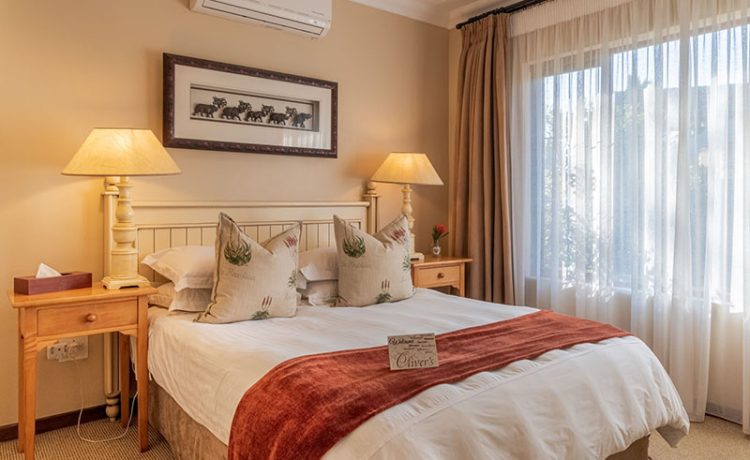
Introduction: More Than Just a Place to Stay
Accommodation, in its simplest definition, is a place to rest one’s head at night—a roof overhead, a bed to collapse into after a long day’s journey. Yet, in today’s world, accommodation has evolved into something far more nuanced, a sophisticated interplay of comfort, experience, and personal expression. From centuries-old inns to modern boutique hotels and eco-lodges, the concept of where we stay has become an integral part of how we travel, live, and even define ourselves.
A Brief Look Back: From Inns to Iconic Hotels
Historically, accommodation was born out of necessity. Ancient caravanserais offered refuge to weary traders crossing deserts. Medieval inns provided food and a straw-filled bed for merchants and pilgrims alike. Over time, these humble shelters blossomed into grand hotels—icons of hospitality like The Ritz or The Waldorf Astoria—places that did not merely house guests but pampered them with service and splendor.
This evolution reflects society’s changing attitudes towards travel itself. Once arduous and reserved for a privileged few, travel today is accessible to many, and accommodation has expanded to meet a diverse spectrum of expectations.
The Diversity of Modern Accommodation
Today’s traveler is spoiled for choice. Accommodation ranges from minimalistic hostels to extravagant resorts perched on private islands. Each category serves a purpose, catering to the different tastes, budgets, and aspirations of modern wanderers.
1. Luxury Hotels and Resorts
At the pinnacle of comfort sit luxury hotels and resorts—sanctuaries that blend impeccable service with stunning aesthetics. These spaces are destinations in themselves, offering guests gourmet dining, curated experiences, and personalized touches that linger in memory long after checkout.
2. Boutique Hotels
For those who crave charm over grandeur, boutique hotels strike the perfect chord. They tend to be smaller, infused with local character and thoughtful design. A stay at a boutique hotel often feels like stepping into a story—each room unique, each corner whispering of the city’s spirit.
3. Vacation Rentals and Homestays
Platforms like Airbnb and Vrbo have transformed private homes into global guesthouses. This model resonates with travelers seeking authenticity—a chance to live like a local, to sip morning coffee on a Parisian balcony or cook dinner in a Balinese villa.
4. Eco-Lodges and Sustainable Stays
A growing number of travelers are mindful of their environmental footprint. Eco-lodges answer this call with accommodations designed to blend seamlessly into nature while minimizing impact. Solar power, local materials, and community engagement are hallmarks of this thoughtful approach.
Accommodation as an Extension of Identity
In this age of curated experiences, where we choose to stay says much about who we are. For some, a five-star hotel symbolizes success and indulgence. For others, an off-grid cabin in the mountains is a testament to their love for solitude and nature.
Accommodation has become more than shelter; it is self-expression. A weekend in a historic castle, a month in a minimalist tiny home, a night in a futuristic pod hotel—each reflects a piece of the traveler’s personality and mood.
Key Considerations in Choosing Accommodation
Finding the perfect place to stay is part art, part logistics. When travelers make their choice, they weigh several factors:
-
Location: Proximity to attractions, safety of the neighborhood, and ease of transport.
-
Budget: From budget-friendly dorm beds to lavish suites, the cost dictates possibilities.
-
Purpose: Business trip, family vacation, romantic getaway—each demands different amenities.
-
Amenities: Wi-Fi, breakfast, pool, gym—small comforts that often sway decisions.
-
Sustainability: Increasingly, travelers prefer properties that respect the environment and support local communities.
Technology’s Influence on the Accommodation Landscape
Modern accommodation would not be what it is without technology. Booking engines, virtual tours, guest reviews, and mobile check-ins have reshaped the industry. Smart rooms adjust lighting and temperature with a tap on a phone. Artificial intelligence powers chatbots for instant assistance. Even the design of physical spaces is shifting, as hotels experiment with modular, adaptable layouts.
Challenges and the Road Ahead
While accommodation has grown more diverse and sophisticated, the industry faces challenges too. Over-tourism strains local communities. The rise of short-term rentals has disrupted housing markets in many cities, pushing out long-term residents. Climate change demands a more responsible approach to building and operating hotels.
Yet, these challenges spur innovation. We see architects designing energy-positive hotels. Communities are rallying for fair regulations. Guests themselves are voting with their wallets—rewarding properties that demonstrate genuine commitment to sustainability and social impact.
The Intangible Ingredient: Human Touch
No matter how far technology propels us, the heart of accommodation remains the human connection. A warm welcome at reception, a handwritten note left on a pillow, local tips shared by a host—these moments linger long after memories of plush linens and marble bathtubs fade.
True hospitality is an art form. It transforms a room into a sanctuary, a building into a home. It reminds us that at the end of every journey, what we seek is not merely a bed but a sense of belonging.
Conclusion: Redefining Shelter in the Modern Age
Accommodation today is both a practical necessity and an indulgence—an ever-evolving canvas on which cultures, technologies, and human aspirations paint new possibilities. Whether one seeks opulence, adventure, sustainability, or simplicity, the modern traveler finds no shortage of choices.
As we look to the future, perhaps the greatest luxury will be accommodation that balances comfort with conscience, privacy with community, and novelty with authenticity. After all, in a world that moves ever faster, our lodgings remind us to pause, rest, and dream of where we might go next.