

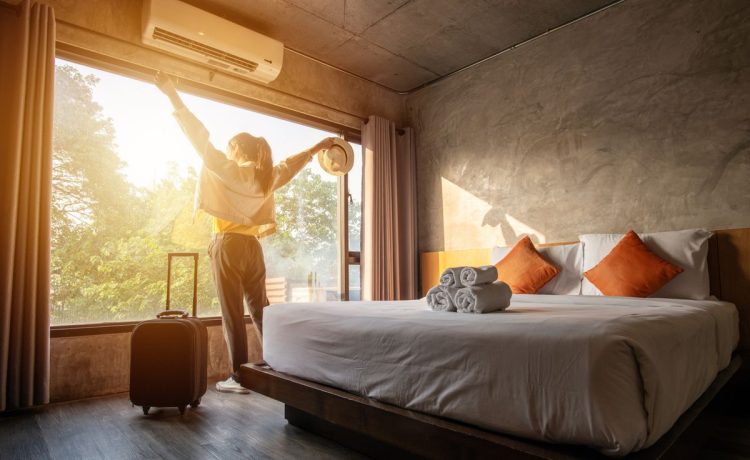
Accommodation, in its broadest sense, refers to the act of providing a place to stay. However, the concept extends far beyond merely finding shelter. It encompasses a vast array of possibilities, from humble hostels to opulent resorts, each catering to specific needs, desires, and budgets. The dynamic landscape of accommodation has evolved significantly over the years, driven by a multitude of factors, including technological advancements, globalization, changing consumer preferences, and environmental concerns. This article explores the different facets of accommodation, examining the choices available, the factors influencing them, and the trends shaping the future.
The Spectrum of Accommodation Choices
Accommodation options today are as diverse as the people who seek them. Whether you are traveling for business, leisure, or any other purpose, the range of accommodations available can be overwhelming. Broadly speaking, accommodations can be categorized into several types based on their function, target market, and the experience they offer.
1. Hotels: The Classic Choice
Hotels remain one of the most popular and widely recognized types of accommodation. They vary in size, style, and service offerings, ranging from budget motels to luxurious five-star properties. Typically, hotels provide a range of amenities such as room service, fitness centers, pools, and concierge services. The advantages of choosing a hotel are convenience, consistency, and accessibility.
-
Business Hotels: Catering primarily to business travelers, these hotels are often located in city centers, close to convention centers or business hubs. They offer facilities such as meeting rooms, high-speed internet, and executive lounges.
-
Luxury Hotels: These accommodations offer unparalleled comfort, top-notch service, and world-class amenities. They are often located in prime tourist destinations or exclusive neighborhoods, ensuring a unique and lavish experience.
2. Vacation Rentals: The Rise of Home-Like Stays
In recent years, vacation rentals have gained tremendous popularity, thanks to platforms like Airbnb, Vrbo, and Booking.com. These accommodations allow travelers to stay in private homes, apartments, or unique properties such as treehouses and villas. The appeal lies in the personalized, home-like experience they offer, with more space, privacy, and often a local flavor.
-
Flexibility: Vacation rentals offer more flexibility than hotels, allowing travelers to choose properties based on specific needs, such as pet-friendly options or homes with a full kitchen for longer stays.
-
Local Experience: Staying in a local neighborhood offers a more authentic travel experience, allowing visitors to immerse themselves in the culture and lifestyle of the destination.
3. Hostels: Budget-Friendly and Social
Hostels cater primarily to young travelers, backpackers, and those seeking budget-friendly accommodation. Typically offering dormitory-style rooms and shared bathrooms, hostels emphasize communal spaces where guests can socialize, exchange travel tips, and build connections.
-
Social Aspect: Hostels are designed for interaction, often hosting events or excursions to help guests meet one another.
-
Affordability: With prices that are usually significantly lower than hotels or vacation rentals, hostels are an attractive option for budget-conscious travelers, especially in popular destinations.
4. Boutique Hotels: Unique and Stylish
Boutique hotels are smaller, independently owned properties that focus on offering a more personalized and intimate experience. They often emphasize design, individuality, and attention to detail, distinguishing them from larger hotel chains.
-
Design and Ambiance: These hotels are often renowned for their distinctive architectural style, interior design, and the use of local art or historical elements.
-
Personalized Service: Guests can expect a higher level of service, as boutique hotels tend to focus on catering to the individual needs of each guest.
The Factors Driving Accommodation Choices
The decision of where to stay is influenced by a variety of factors, ranging from budget constraints to personal preferences. Understanding these elements is crucial for both consumers and accommodation providers who aim to meet the evolving needs of the market.
1. Cost and Budget: The Defining Factor
For many, the cost of accommodation is one of the most important considerations when choosing where to stay. While luxury travelers may opt for high-end hotels or private villas, budget-conscious individuals often turn to hostels or vacation rentals for more affordable options. The advent of online booking platforms has made it easier than ever to compare prices, making accommodation more accessible to people with varying budgets.
2. Location: Proximity and Convenience
The location of an accommodation plays a vital role in its appeal. For business travelers, proximity to the airport, conference centers, or meeting venues is often a priority. On the other hand, leisure travelers may prioritize being close to major tourist attractions, beaches, or nature reserves. The rise of location-based services, such as Google Maps and accommodation review platforms, allows travelers to make informed decisions regarding proximity to essential services and amenities.
3. Personal Preferences: A Tailored Experience
Some travelers prefer the predictability and consistency of hotel chains, while others may prioritize unique, personalized experiences. For instance, eco-conscious travelers may opt for accommodations that emphasize sustainability, such as eco-friendly hotels or farms that offer organic food and renewable energy sources. Similarly, pet owners might look for pet-friendly accommodations that offer additional services for their furry companions.
Emerging Trends in the Accommodation Sector
The accommodation sector continues to evolve, driven by shifts in consumer expectations, advances in technology, and global events. Here are some key trends shaping the future of accommodation:
1. Sustainability and Eco-Consciousness
With growing awareness about environmental issues, many accommodation providers are adopting sustainable practices. This includes the use of renewable energy, water-saving technologies, waste reduction, and eco-friendly building materials. Green hotels and eco-lodges are becoming increasingly popular as travelers seek more environmentally responsible options.
2. Smart Technology Integration
From mobile check-ins to room automation, smart technology is transforming the accommodation experience. Hotels and vacation rentals are incorporating features such as voice-activated assistants, keyless room entry, and personalized in-room controls for lighting, temperature, and entertainment. These innovations aim to enhance convenience, comfort, and security for guests.
3. Experiential Travel and Immersive Stays
Travelers today are seeking more than just a place to sleep—they want unique, immersive experiences. Whether it’s staying in an underwater hotel, a mountain cabin, or a historic castle, the desire for extraordinary accommodation is on the rise. Many accommodations are capitalizing on this trend by offering curated experiences, such as cooking classes, wine-tasting tours, or cultural excursions.
4. Work-from-Anywhere Accommodation
The rise of remote work, accelerated by the global pandemic, has led to a surge in demand for “workation” accommodations. These properties are designed to cater to the needs of remote workers, offering high-speed internet, quiet spaces for productivity, and amenities for relaxation after work hours. This trend is expected to continue as more people embrace the flexibility of working from anywhere.
Conclusion
Accommodation is no longer just about finding a roof over your head. It has become an integral part of the travel experience, shaping the way we engage with the world around us. As the industry continues to evolve, travelers are presented with an ever-expanding array of choices, each offering a unique blend of comfort, convenience, and personalization. Whether you prefer the luxury of a five-star hotel, the charm of a boutique stay, or the flexibility of a vacation rental, there is an accommodation type to suit every need and desire. As the sector embraces sustainability, technology, and experiential travel, the future of accommodation looks more exciting than ever.