

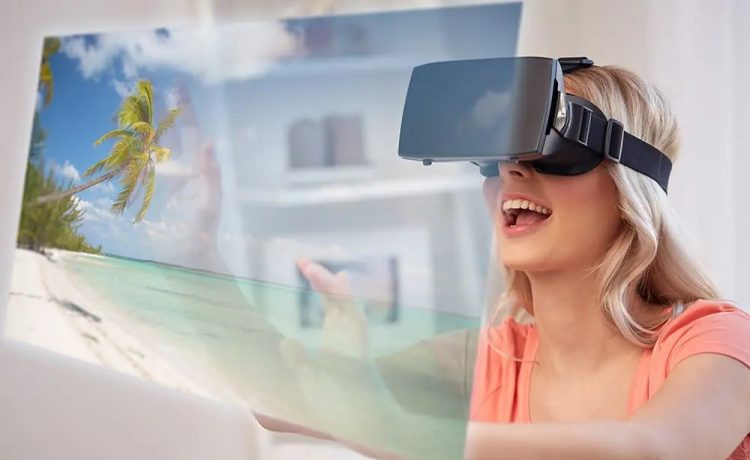
The hospitality industry is built entirely on the concept of anticipation. When a consumer books a hotel room, they are not purchasing a physical product they can hold in their hands; they are buying an unverified promise of comfort, luxury, and escape. For decades, hoteliers have relied on a standard toolkit of wide-angle photography and heavily edited promotional videos to sell this promise. Yet, the modern traveler is fundamentally skeptical. They are acutely aware of how a strategic camera angle can make a closet-sized room appear spacious, or how selective framing can hide an active construction site directly outside a window.
To bridge this gap of trust and secure the booking, hospitality marketing must evolve from curated presentation to absolute transparency. Virtual reality is spearheading this evolution, transforming the pre-booking experience from a passive viewing exercise into an interactive, immersive exploration. Hoteliers who recognize the power of this technology are not merely adding a new widget to their websites; they are fundamentally changing the way guests interact with their brand before they ever set foot in the lobby.
The Psychology of Spatial Awareness and Consumer Trust
Travel is a high-stakes emotional investment. Whether a guest is booking a crucial corporate trip, a weekend getaway, or a once-in-a-lifetime honeymoon, the anxiety of the unknown plays a massive role in their purchasing behavior. Traditional two-dimensional photography consistently fails to convey the true scale, layout, and atmosphere of a physical space. Virtual reality fundamentally alters this dynamic by providing something a photograph never can: accurate spatial awareness.
When a prospective guest initiates a virtual reality tour, their brain processes the digital environment similarly to how it processes the real world. They can intuitively gauge the distance between the foot of the bed and the television, evaluate the height of the vaulted ceilings, and understand the exact flow from the living area to the en-suite bathroom. This level of autonomy strips away the anxiety of deception. By handing the camera controls over to the consumer, the hotel communicates a powerful subconscious message: we have absolutely nothing to hide. This radical transparency builds immediate, deep-seated trust, which is the most critical metric in driving a final purchasing decision.
Driving Direct Bookings Through Unprecedented Engagement
The battle for hotel revenue is fought on the front lines of direct bookings. Online travel agencies command massive commissions, shrinking hotel profit margins with every transaction. Consequently, hoteliers are constantly seeking ways to incentivize users to book directly through their proprietary websites. Virtual reality is proving to be one of the most effective tools for extending session durations, reducing bounce rates, and capturing that direct sale.
Maximizing Time on Site
When a user encounters a standard photo gallery, they typically click through the images in a matter of seconds. The engagement is remarkably shallow. Conversely, a virtual walkthrough demands active participation. Users must navigate through the hallways, pan the camera to inspect the amenities, and physically move their device or cursor to explore the property from edge to edge. This active engagement naturally keeps potential guests on your website significantly longer. The longer a user interacts with your digital property, the more emotionally invested they become in the physical property, creating a psychological anchor that drastically increases the likelihood of a direct booking.
The Mechanics of the Premium Upsell
Convincing a guest to upgrade from a standard room to a premium suite is a notorious challenge in hospitality marketing. A price jump of several hundred dollars a night is difficult to justify with a static photograph that looks only marginally better than the base-tier option. Virtual reality obliterates this barrier.
When a guest can virtually walk out onto the expansive private terrace of a penthouse suite, look over the unencumbered ocean view, and turn around to see the freestanding soaking tub in the master bathroom, the value proposition becomes instantly tangible. You are no longer asking them to imagine the luxury; you are letting them test-drive it. This immersive preview significantly lowers the friction of the upsell, driving higher average daily rates directly from the initial booking portal.
Revolutionizing the Event and Conference Sector
While the consumer market is massive, the true financial backbone of many resort and urban hotel properties is the corporate event and wedding sector. B2B marketing in hospitality has historically been a slow, friction-heavy process requiring multiple in-person site visits, logistical meetings, and complex spatial planning. Virtual reality is rapidly dismantling this outdated workflow.
Event planners, corporate travel managers, and engaged couples often coordinate large-scale bookings from entirely different states or countries. A comprehensive virtual reality tour allows a planner in New York to meticulously inspect a ballroom in Miami without ever boarding a plane. They can evaluate the sightlines from the back of the room, understand the proximity of the breakout spaces to the main conference hall, and assess the natural lighting for photography.
By democratizing the site visit, hotels that offer detailed VR tours immediately position themselves at the top of the vendor shortlist. It signals professionalism, technological competence, and a commitment to making the planner’s job as seamless as possible. Furthermore, sales teams can conduct guided virtual tours, sharing their screen on a video call while walking the client through the digital rendering of the event space, closing lucrative contracts in a fraction of the traditional time.
Best Practices for Implementing a Virtual Strategy
The barrier to entry for virtual reality has lowered significantly over the last decade, but poor execution can actually harm a brand’s reputation more than having no VR at all. A clunky, slow-loading tour will immediately frustrate users and drive them into the arms of a competitor with a faster, cleaner website.
Prioritizing Web-Based Accessibility
The most successful hotel VR marketing campaigns do not require the user to own a dedicated, expensive headset. While offering a true headset experience is excellent for industry trade shows or in-person travel agencies, the bulk of your traffic will come from standard web browsers and smartphones. Your virtual tours must be entirely web-based and highly responsive. Users should be able to manipulate a 360-degree environment effortlessly using their mouse on a laptop, or by swiping and physically tilting their smartphone to look around the room.
Optimization and Load Speeds
High-definition virtual environments demand significant bandwidth. If a potential guest clicks on your tour and is forced to stare at a buffering screen for ten seconds, you have already lost their attention. Hoteliers must work with developers who specialize in compressing large immersive files without sacrificing visual fidelity.
The tour must load dynamically, rendering the immediate view instantly while silently loading the rest of the property in the background. Furthermore, the user interface must be aggressively clean. Avoid cluttering the screen with unnecessary text boxes, automated background music that cannot be easily paused, or confusing navigation menus. The primary focus must remain entirely on the visual majesty of the property itself.
The Future Standard of Hospitality Browsing
We are rapidly approaching a tipping point where virtual reality will no longer be viewed as an innovative luxury, but rather as a baseline consumer expectation. Just as travelers now refuse to book a hotel that lacks online reviews or updated photography, future consumers will hesitate to book a property they cannot first walk through digitally.
Integrating virtual reality into your hotel marketing strategy is not just about keeping pace with technological trends; it is about fundamentally respecting the consumer’s desire for honesty, agency, and spatial truth. By inviting the world to step inside your property from anywhere on the globe, you secure not just their booking, but their unwavering confidence before they even begin to pack their bags.