
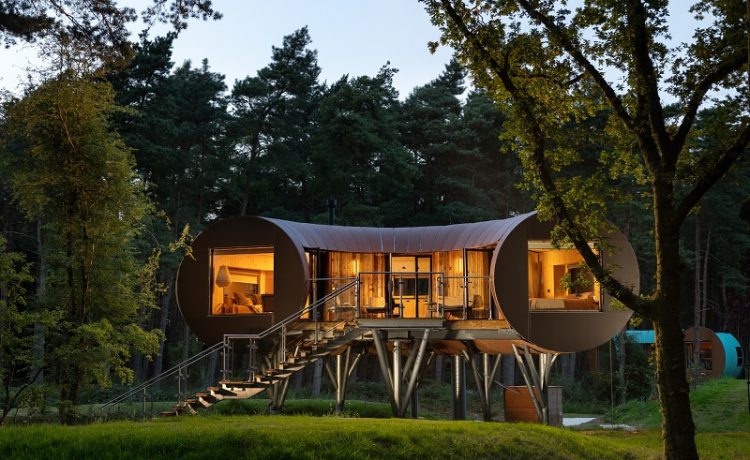
There is a distinct psychological shift that happens when you leave the solid ground and ascend into the canopy. For many, booking a treehouse stay is about fulfilling a lingering childhood fantasy. For others, it is the ultimate way to disconnect from the relentless pace of modern life and immerse themselves in nature without sacrificing comfort. In recent years, treehouse rentals have evolved from modest backyard platforms into highly sought-after architectural marvels, featuring everything from wrap-around observation decks to suspended hot tubs.
However, trading a traditional hotel foundation for the branches of an old-growth oak or towering pine comes with a unique set of logistical realities. A treehouse vacation is vastly different from a standard cabin rental. If you are preparing to book your first elevated getaway, understanding the nuances of treehouse living will ensure your experience is memorable for all the right reasons.
Understanding the Different Types of Treehouse Rentals
The term “treehouse” is heavily utilized in the travel industry, but it represents a massive spectrum of accommodations. Before you secure a reservation, you must understand exactly what type of structure you are booking.
The Rustic Off-Grid Experience
Some treehouses are designed for purists who want to disconnect completely. These structures rely on the surrounding environment rather than fighting it. You can expect battery-powered lanterns, limited or nonexistent cellular service, and a heavy reliance on natural ventilation instead of air conditioning. These off-grid options are perfect for those who view the stay as an elevated camping trip. If you are booking a rustic treehouse, you are prioritizing the remote location and the authentic outdoor experience over modern conveniences.
The Luxury Glamping Retreat
On the opposite end of the spectrum are luxury treehouses, which operate more like boutique hotel rooms suspended in the air. Builders have figured out how to engineer these structures to support heavy amenities. It is entirely possible to find a treehouse equipped with high-speed Wi-Fi, radiant floor heating, a fully functioning kitchenette, and a clawfoot soaking tub. Naturally, these properties command a premium price and often require booking nearly a year in advance, especially during peak seasons like autumn foliage weeks or early spring.
Navigating Location and Accessibility
The very thing that makes a treehouse appealing—its isolation and height—can also make it challenging to access.
Getting to Your Rental
Many premium treehouses are located on private, sprawling acreage, meaning you might have to navigate unpaved, steep, or muddy access roads to reach the parking area. Depending on the weather and the region, an all-wheel-drive vehicle might be a necessity rather than a suggestion. Always check the host’s property description regarding vehicle requirements, particularly if you are traveling during the rainy season or winter months.
Navigating Stairs and Suspension Bridges
Once you park, getting into the treehouse is the next hurdle. Very few elevated rentals are accessible to those with significant mobility issues. You should anticipate climbing steep wooden staircases, navigating spiral iron steps, or walking across swaying suspension bridges. Consider your physical comfort level with heights and uneven footing. Furthermore, think about the logistics of carrying your belongings up to the canopy. Attempting to haul a fifty-pound, hard-shell suitcase up a narrow spiral staircase is a frustrating way to begin a vacation.
The Reality of Plumbing and Amenities
Pumping water thirty feet into the air while preventing pipes from freezing is an engineering challenge. Consequently, treehouse plumbing requires a shift in expectations.
Water Supply and Bathroom Facilities
While luxury treehouses may boast standard flush toilets, the vast majority utilize alternative waste management systems. You are highly likely to encounter a composting toilet or an incinerating toilet. These systems are highly efficient and surprisingly odorless when used correctly, but they do require following the host’s specific instructions. Additionally, water pressure in the canopy is rarely as strong as it is on the ground. Hot water tanks are generally small, meaning you should plan for brief showers rather than long, steaming sessions. Some rustic treehouses feature outdoor showers on a lower deck or a separate bathhouse located a short walk from the base of the tree.
Temperature Control and Power
Trees provide natural shade, which keeps treehouses remarkably cool during the summer months. However, the lack of ground insulation means they can become quite chilly in the autumn and winter. Check whether your rental provides a space heater, a wood-burning stove, or baseboard heating. If the property is entirely off-grid, you will likely be relying on solar-powered battery banks. These are generally sufficient for charging a smartphone and running a few LED reading lights, but they will not support high-draw appliances like hair dryers or travel kettles.
Packing Strategies for High-Altitude Stays
Packing for a treehouse requires a more tactical approach than a standard weekend getaway.
Opt for Soft Luggage
Leave the rolling suitcases at home. Backpacks, duffel bags, and soft-sided weekenders are infinitely easier to carry up narrow stairs and hoist over suspension bridges. Space inside a treehouse is typically highly optimized, much like a tiny home or a sailboat. Soft bags can be unpacked and easily folded away into a corner or under a bed, keeping your limited floor space clear.
Essential Gear for the Canopy
Regardless of the season, pack layers. The temperature in the canopy can fluctuate wildly between the afternoon sun and the midnight breeze. Slip-on shoes or sturdy slippers are absolute necessities; many treehouses have strict no-shoes policies inside to protect the natural wood floors, but you will want something easy to slide onto your feet if you need to step out onto the deck or navigate to a separate bathroom in the middle of the night. Finally, bring a reliable headlamp or flashlight. While the treehouse itself will have lighting, the surrounding woods will be pitch black, which you will need to navigate if your car or the fire pit is located at the base.
Embracing the Elements and Wildlife
When you book a treehouse, you are entering a living, breathing ecosystem. You must be prepared for the sensory realities of being suspended in nature.
The Sounds and Sway of the Trees
Trees move. When the wind blows, your treehouse will likely sway slightly. You will hear the wood creak, groan, and settle. If you are staying under a canopy of oak trees in the fall, acorns will occasionally drop onto the metal roof, sounding like a sudden drumbeat. These sounds and movements are entirely normal and factor into the engineering of the structure, but they can be alarming to first-time visitors. Rather than letting it induce anxiety, try to view the swaying and the acoustic landscape as part of the immersive experience.
Sharing Space with Nature
You are quite literally staying in the habitat of birds, squirrels, and insects. While hosts take great care to seal their structures, you should expect to see the occasional spider or moth making its way inside. Proper food storage is non-negotiable. Do not leave snacks open on the counters, and if you have a cooler on the outdoor deck, ensure it is locked or strapped down to prevent raccoons from raiding your provisions.
Practical Considerations for a Seamless Trip
Treehouses are designed to be cozy, which means certain modern conveniences are deliberately omitted to save space and reduce fire hazards.
Cooking and Food Preparation
Do not expect to cook a massive, multi-course meal during your stay. Most treehouses feature a kitchenette at best—usually a mini-fridge, a microwave, a coffee maker, and perhaps a hot plate. Open flames inside the structure are strictly prohibited. If you plan to cook, you will likely be doing it over a campfire or on a charcoal grill located on the ground level. Plan your meals around simple, easy-to-prepare items that require minimal cleanup, as washing dishes in a small basin sink can be tedious.
Setting the Right Expectations
The most important thing you can bring to your first treehouse stay is a flexible mindset. A treehouse vacation is about slowing down, reading a book on a suspended deck, listening to the rain hit the leaves, and enjoying the novelty of your surroundings. It is not about demanding the pristine predictability of a corporate hotel chain. If you embrace the quirks—the composting toilet, the creaking floorboards, the hike up to the front door—you will find that a canopy stay offers a profound sense of peace and a deeply memorable escape from the ordinary.