
Adventure travel is more than just visiting new places—it’s about stepping into unfamiliar territory, testing your comfort zone, and discovering what you’re capable of. If you’re new to adventure travel, the idea can feel exciting and overwhelming at the same time. The good news is that with the right mindset and preparation, anyone can start their adventure journey confidently and safely.
This guide breaks down practical, beginner-friendly adventure travel tips to help you get started without unnecessary stress.
Start With the Right Kind of Adventure
Not all adventures need to be extreme on day one. Starting small allows you to build skills, confidence, and experience gradually.
Good beginner options include:
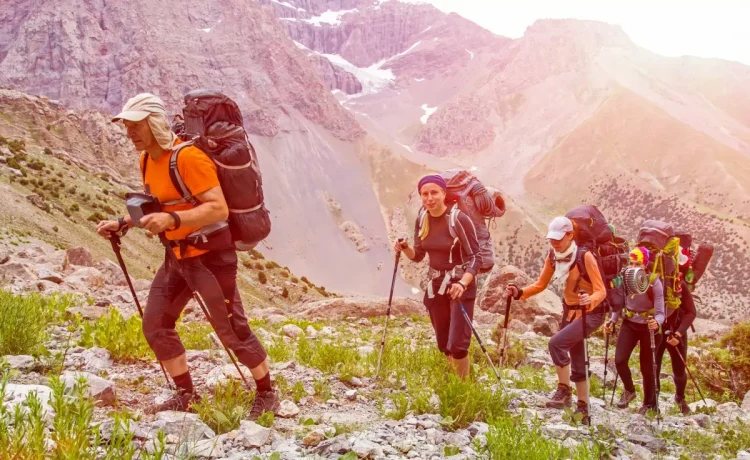
- Day hikes instead of multi-day treks
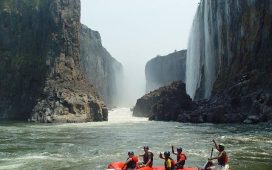
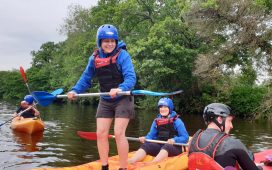
- Guided activities like rafting or snorkeling
- Tandem experiences such as paragliding or skydiving
Choosing beginner-friendly adventures reduces risk and helps you learn how your body and mind respond to new challenges.
Research More Than Just the Destination
Adventure travel requires deeper research than traditional vacations. Beyond where you’re going, you need to understand conditions, risks, and logistics.
Focus your research on:
- Local weather patterns and seasonal changes
- Difficulty level of activities
- Required permits or regulations
- Availability of certified guides and operators
Being informed prevents surprises that could turn an exciting trip into a stressful one.
Invest in the Right Gear (But Don’t Overdo It)
You don’t need the most expensive gear, but you do need reliable and appropriate equipment.
Beginner gear priorities:
- Comfortable footwear suited to the activity
- Layered clothing for changing conditions
- Lightweight backpack with proper support
Renting or borrowing gear is often smarter than buying everything upfront, especially when you’re still exploring what type of adventure suits you best.
Build Physical Fitness Before You Go
Adventure travel can be physically demanding, even at beginner levels. Preparing your body ahead of time makes the experience more enjoyable and reduces injury risk.
Simple preparation steps:
- Walk or hike regularly
- Improve basic strength and flexibility
- Practice carrying a loaded backpack
You don’t need athlete-level fitness—just enough endurance to stay comfortable and confident.
Learn Basic Safety and Survival Skills
Adventure travel rewards curiosity but punishes carelessness. Understanding basic safety principles can make a critical difference.
Key skills to learn:
- Reading trail markers and maps
- Basic first aid
- Staying hydrated and managing energy
- Recognizing early signs of fatigue or altitude sickness
These skills empower you to handle unexpected situations calmly.
Choose Reputable Operators and Guides
For beginners, guided experiences are often the safest and most educational choice.
When selecting operators:
- Check certifications and safety records
- Read recent traveler reviews
- Ask about group size and emergency procedures
A good guide doesn’t just lead the activity—they teach, support, and protect you throughout the experience.
Pack Light but Pack Smart
Overpacking slows you down, while underpacking can leave you unprepared. The goal is balance.
Adventure travel essentials:
- Reusable water bottle
- Basic first-aid kit
- Weather protection (rain jacket, sun gear)
- Snacks or energy food
Every item should serve a clear purpose.
Respect Nature and Local Communities
Adventure travel often takes place in fragile environments and traditional communities. Responsible behavior ensures these places remain accessible for future travelers.
Practice responsible travel by:
- Following Leave No Trace principles
- Respecting wildlife distance rules
- Supporting local guides and businesses
Adventure becomes more meaningful when it’s rooted in respect.
Embrace Discomfort—but Know Your Limits
Growth happens outside your comfort zone, but pushing too far can be counterproductive.
Healthy discomfort feels challenging but manageable. True danger feels overwhelming or unsafe. Learning the difference comes with experience and self-awareness.
Listening to your instincts is a skill every adventurer must develop.
Frequently Asked Questions
What is the best type of adventure travel for absolute beginners?
Guided hiking, rafting, and snorkeling trips are ideal because they combine excitement with professional supervision.
How much planning time does adventure travel require?
Beginner trips usually require a few weeks of planning, especially for gear, fitness preparation, and bookings.
Is adventure travel safe for solo beginners?
Yes, especially when joining guided group tours designed for solo travelers.
Do I need special insurance for adventure travel?
Yes. Standard travel insurance often excludes adventure activities, so specialized coverage is recommended.
How do I know if an adventure activity is too difficult for me?
Check official difficulty ratings and be honest about your fitness level and experience.
What’s the biggest mistake beginners make in adventure travel?
Underestimating preparation—both physical and mental—is the most common mistake.
Can adventure travel still be enjoyable without extreme risk?
Absolutely. Adventure is about exploration and challenge, not danger. Even mild activities can be deeply rewarding.
Adventure travel doesn’t require fearlessness—only curiosity, preparation, and respect for the unknown. Start where you are, build confidence step by step, and let each journey expand what you believe is possible.