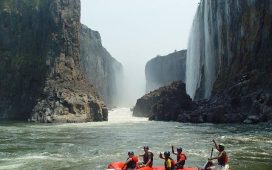


Adventure is a word that evokes images of daring feats, untrodden paths, and a thrill that runs deep in the soul. However, its meaning extends far beyond the conventional images of mountain climbing or backpacking across continents. Adventure is, in essence, the pursuit of the unknown—a journey that stirs curiosity, challenges comfort zones, and encourages exploration, both external and internal. Whether it involves scaling physical heights, delving into new cultures, or pushing one’s emotional boundaries, adventure is about embracing uncertainty and evolving in the process. This article explores the multifaceted nature of adventure, its profound benefits, and how it has the power to transform our lives.
Defining Adventure: More Than Just a Thrill
Adventure is often thought of as a high-octane pursuit reserved for adrenaline junkies and wanderlust-driven travelers. While it certainly includes these elements, its true essence is far more expansive. Adventure is a mindset—a way of engaging with the world and seeking experiences that take us beyond the familiar. It’s about diving into new challenges, navigating uncharted waters, and experiencing moments that awaken the spirit.
Adventure is an experience that can be physical, intellectual, emotional, or even spiritual. It isn’t always about grand quests or distant lands; it can be found in the simple act of stepping outside the familiar and embracing the potential for discovery. The essence of adventure is rooted in the excitement of the unknown, the promise of growth, and the allure of new experiences.
Types of Adventure: Diverse Paths to Discovery
Adventure, as a concept, can take on many different forms, each offering unique insights and rewards. Depending on the individual’s interests and inclinations, the types of adventure one embarks on will vary. Below are some of the most prominent categories of adventure:
1. Physical Adventure: Conquering the Elements
For many, physical adventure is the first thing that comes to mind. This form of adventure involves engaging in activities that test the physical limits of the body. Whether it’s hiking up a towering mountain, traversing a dense jungle, or kayaking through rough waters, these experiences push the body to its limits and require a combination of strength, stamina, and mental fortitude.
-
Thrills and Challenges: Physical adventures often involve a significant element of risk, whether it’s extreme sports or expeditions in remote, untamed environments. The exhilaration comes from overcoming obstacles that seem insurmountable.
-
Connection to Nature: These adventures also provide an opportunity to reconnect with nature, experiencing its raw beauty and power while gaining a deeper appreciation for the environment.
2. Cultural Adventure: Immersing in New Worlds
Cultural adventure, on the other hand, delves into the realms of exploration through people, customs, and places that differ from one’s own. This form of adventure may involve traveling to distant lands, interacting with local populations, and experiencing different ways of life. Cultural adventures provide a deeper understanding of humanity, offering opportunities to expand one’s worldview and challenge preconceived notions.
-
Learning through Experience: By engaging directly with new cultures, travelers can gain insight into diverse languages, art, history, and societal structures. This fosters empathy and understanding, making us more adaptable and open-minded.
-
Personal Enrichment: These adventures encourage personal growth, often exposing us to new philosophies, traditions, and ways of thinking that enrich our lives and broaden our perspectives.
3. Intellectual Adventure: Seeking Knowledge and Understanding
Adventure isn’t always about physical feats or distant lands; sometimes, it lies in the pursuit of knowledge. Intellectual adventures are journeys of the mind, where individuals challenge their cognitive abilities and expand their understanding of the world. These experiences can take the form of deep study, research, or creative pursuits that push the boundaries of knowledge and artistic expression.
-
Challenging Assumptions: Intellectual adventure requires questioning the status quo and seeking to understand complex ideas, whether it’s diving into philosophy, literature, or scientific discovery.
-
Continuous Learning: The joy of intellectual adventure is in the process of learning itself—discovering new concepts, solving problems, and applying newfound knowledge to different aspects of life.
4. Emotional Adventure: Facing Fears and Growing from Challenges
Emotional adventure is perhaps the most subtle yet profound form of exploration. It involves stepping into emotional territories that require courage, vulnerability, and personal growth. Whether it’s navigating a difficult relationship, pursuing a lifelong dream, or overcoming personal fears, emotional adventure calls for introspection and resilience.
-
Growth through Adversity: The beauty of emotional adventure lies in its ability to transform us. By confronting deep-seated fears or stepping out of our emotional comfort zones, we become more self-aware and better equipped to handle life’s complexities.
-
Building Resilience: Each emotional challenge, whether personal or professional, teaches valuable lessons about perseverance, patience, and adaptability. These experiences strengthen our emotional intelligence and provide us with the tools to thrive in a world full of uncertainties.
The Benefits of Adventure: Why We Seek the Unknown
Adventure, regardless of its form, brings with it numerous benefits that go beyond the immediate thrill or excitement. From enhancing mental health to fostering personal growth, the rewards of adventure are vast and deeply fulfilling.
1. Enhanced Mental Health and Well-being
Engaging in adventurous activities has been shown to have a positive impact on mental health. Whether it’s the exhilaration of conquering a new challenge or the peacefulness of immersing oneself in nature, adventure promotes mental clarity, reduces stress, and fosters feelings of happiness.
-
Stress Reduction: The excitement of adventure, especially outdoor pursuits, has been linked to a reduction in cortisol levels, the hormone responsible for stress. This promotes a sense of relaxation and well-being.
-
Increased Positivity: Completing an adventure, whether it’s a challenging trek or an intellectual pursuit, can lead to heightened self-esteem and a sense of accomplishment.
2. Increased Self-Awareness and Personal Growth
Adventure often forces us to confront ourselves—our fears, limitations, and desires. Through these challenges, we learn more about who we are and what we are capable of. Whether it’s realizing the strength we possess during a difficult hike or understanding our emotional vulnerabilities, adventure nurtures growth in all aspects of life.
-
Resilience Building: By navigating obstacles—whether external or internal—adventure cultivates resilience. Each challenge faced and overcome is an opportunity to become stronger and more adaptable.
-
A Shift in Perspective: The transformative power of adventure lies in its ability to shift our perspectives, enabling us to see the world and ourselves in new, more meaningful ways.
3. Fostering a Sense of Connection
Whether it’s through shared experiences in physical adventures, cross-cultural exchanges, or intellectual collaboration, adventure fosters connections between individuals and communities. These connections create a sense of belonging and remind us that, despite our differences, we share common human experiences.
-
Bonding through Experiences: Adventurous activities, especially those that require teamwork or collective effort, strengthen relationships and build camaraderie. Whether it’s a group hike or a shared exploration of a new city, adventure often brings people together in meaningful ways.
-
Building Empathy: Cultural adventures, in particular, help build empathy by exposing us to the realities of others’ lives, encouraging understanding, and challenging biases.
Adventure in Everyday Life: The Pursuit of the Extraordinary
While grand adventures often make headlines, the truth is that adventure doesn’t require extraordinary circumstances. It can be woven into the fabric of everyday life. The pursuit of the unknown, the willingness to step outside one’s comfort zone, and the desire to grow can be found in simple moments. Whether it’s starting a new hobby, moving to a new city, or embarking on a personal challenge, life itself is an adventure—one that can be as fulfilling and transformative as any epic journey.
-
Challenging the Routine: Taking risks, trying new things, and embracing change can turn the mundane into something extraordinary. It’s about approaching life with a spirit of curiosity and openness to whatever it may bring.
-
Embracing New Experiences: Adventure is as much about the mindset as it is about the activity itself. By seeking out new experiences, learning from them, and allowing ourselves to grow, we invite adventure into our daily lives.
Conclusion: Living the Adventure
Adventure is not a destination but a journey—a continuous exploration of the self, the world, and the unknown. Whether it involves scaling mountains, diving into intellectual pursuits, or confronting emotional challenges, the essence of adventure lies in the willingness to embrace the uncertainty of life. Through adventure, we not only uncover new horizons but also discover hidden strengths and untapped potential within ourselves. In a world that often feels routine and predictable, adventure invites us to live fully, to seek the extraordinary in the everyday, and to embrace the transformative power of the unknown.