
Understanding Adventure
Adventure represents a state of mind as much as an experience. It is the pursuit of the unfamiliar, the willingness to step beyond comfort, and the embrace of challenges that forge resilience. Whether through travel, outdoor exploration, or personal endeavors, adventure is a force that shapes perspective and enriches life. It is neither reckless nor purely about thrill-seeking; rather, it involves measured risk, curiosity, and the ability to navigate uncertainty with purpose.
The Many Forms of Adventure
Not all adventures follow the same path, and each form offers distinct rewards. Some demand physical endurance, while others test mental agility or emotional strength. Understanding the nuances of different types of adventure helps in selecting experiences that align with personal aspirations.
Outdoor Exploration and Extreme Sports
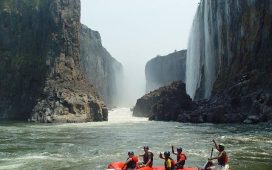
For those who find fulfillment in nature, outdoor adventures provide an opportunity to experience landscapes beyond the limits of everyday life. Activities such as mountaineering, trekking, rock climbing, and whitewater rafting demand physical preparation and technical skills. These pursuits foster discipline, problem-solving, and an appreciation for the natural world.
Extreme sports, including skydiving, bungee jumping, and paragliding, cater to those who seek the adrenaline rush of high-intensity challenges. While exhilarating, they require careful planning, expert guidance, and respect for safety protocols. The essence of these adventures lies in calculated risk rather than reckless bravado.
Cultural and Intellectual Exploration
Adventure extends beyond the physical realm into intellectual and cultural discovery. Immersing oneself in unfamiliar traditions, engaging in conversations that challenge perspectives, or navigating new cities without predefined plans all constitute meaningful adventures. The ability to adapt, communicate, and embrace differences forms a crucial part of this experience.
Learning a new language, pursuing an unfamiliar craft, or stepping into a profession that demands reinvention also fall under intellectual and personal adventures. These paths require perseverance, humility, and the capacity to embrace setbacks as learning opportunities.
Solo Travel and Self-Discovery
Stepping into the unknown alone is one of the most introspective forms of adventure. Solo travel teaches self-reliance, sharpens decision-making, and fosters a deeper understanding of one’s strengths and vulnerabilities. Without the safety net of companionship, individuals must navigate logistical challenges, unfamiliar environments, and unexpected obstacles on their own terms.
The lessons drawn from solo exploration often extend far beyond the experience itself. Whether it is learning to trust instinct, developing patience in uncertain situations, or discovering newfound confidence, solo adventures have lasting effects that shape personal growth.
Survival and Endurance Challenges
Few experiences test both physical and mental fortitude like survival-based adventures. Whether participating in extreme endurance races, wilderness survival courses, or long-distance expeditions, these challenges strip away modern conveniences and demand resourcefulness. Participants must manage fatigue, ration supplies, and make calculated decisions under pressure.
The appeal of such endeavors lies not only in pushing limits but also in the clarity they provide. In environments where distractions fade, focus sharpens, and the ability to assess priorities becomes clearer. These experiences often lead to profound realizations about resilience, adaptability, and the true necessities of life.
The Essential Traits of an Adventurous Mindset
Adventure is as much about mindset as it is about action. The willingness to embrace the unknown requires certain characteristics that can be cultivated over time.
Adaptability and Problem-Solving
Unpredictability is a hallmark of adventure. Whether facing an unexpected detour, a change in weather, or an unfamiliar cultural practice, adaptability determines the ability to respond effectively. Problem-solving becomes a constant companion, transforming obstacles into opportunities rather than setbacks.
Resilience and Risk Management
Adventurers do not seek danger for its own sake; they respect risk and prepare accordingly. Resilience allows individuals to navigate difficulties without succumbing to fear or discouragement. Calculated decision-making, informed by knowledge and experience, ensures that risk-taking remains measured rather than reckless.
Curiosity and Open-Mindedness
The desire to explore stems from curiosity. A true adventurer approaches the world with an open mind, eager to learn from different perspectives, environments, and cultures. This mindset fosters deeper engagement with experiences, allowing for a richer and more fulfilling approach to discovery.
The Lasting Impact of Adventure
Beyond the immediate thrill of exploration, adventure leaves a lasting imprint on those who embrace it. The ability to step outside of routine, confront challenges, and discover untapped potential transforms not just experiences but outlooks. A life infused with adventure carries a depth that routine alone cannot provide, ensuring that every moment of exploration contributes to a broader understanding of both the world and oneself.